Volunteering Builds Relationships
By Shelley Galasso Bonanno, MA, LLP
The concept of the “helper’s high” arose in the 1980s but has recently gained momentum. It consists of positive emotions following selfless service to others. Greater health and increased longevity are associated with this psychological state. The emotional boost people feel after doing something kind or altruistic, isn’t just psychological — it’s biological. Acts of helping release endorphins, oxytocin and dopamine in the brain, chemicals associated with pleasure, bonding and stress reduction. When helping others, people often report a sense of purpose and fulfillment, improved mood, increased optimism, and lower stress levels.
Given that many people increasingly report feeling isolated, unseen and disconnected from meaningful relationships, volunteering seems to be a powerful antidote, particularly for loneliness. Loneliness isn’t just about being alone; it’s about lacking meaningful connection, and loneliness grows when people feel disconnected from purpose. When people volunteer, they don’t just give their time; they build relationships, foster belonging and significantly reduce feelings of loneliness. This natural emotional lift can be especially beneficial for individuals struggling with isolation or low self-worth. Helping creates a positive feedback loop: the more people contribute, the better they feel — and the more likely they are to stay socially engaged.
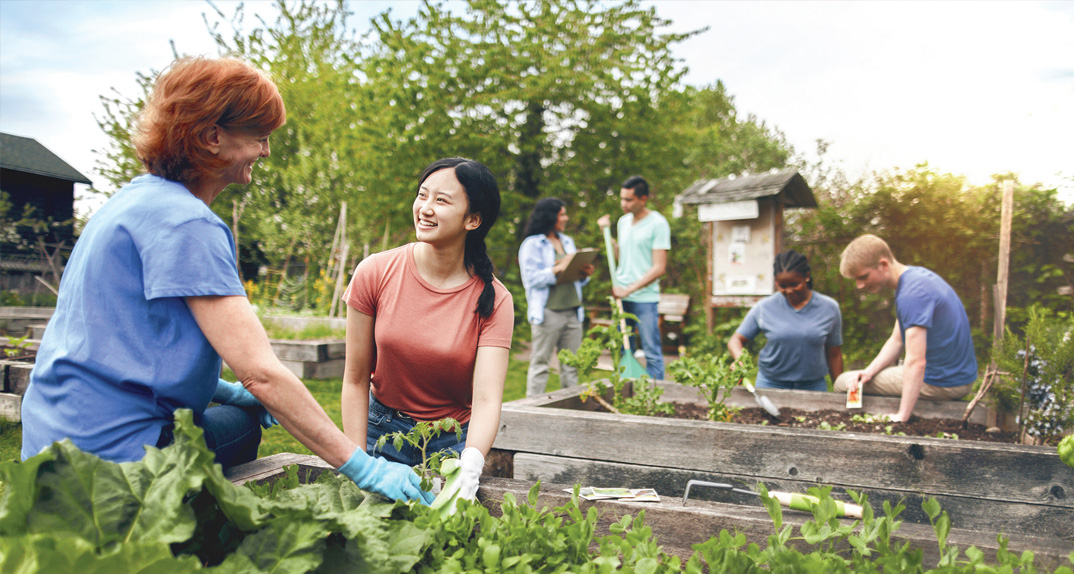
One of the most powerful aspects of volunteering is the way it naturally brings people together around shared values and goals. Unlike casual social interactions, volunteering often involves teamwork, problem-solving and emotional connection. It is purpose driven. Volunteering can help form bonds through working toward a common cause, supporting others in need, sharing experiences and stories, and building trust through consistency. These interactions often feel more genuine and purposeful than typical small talk or digital connections. Over time, these connections can develop into deep friendships, mentorships, and strong community ties.
Studies consistently show that volunteers experience lower rates of depression, reduced feelings of isolation, improved life satisfaction and a greater sense of community. Helping others shifts focus away from personal struggles and toward collective well-being. This change in perspective can lessen rumination and increase feelings of hope and usefulness.
For older adults, volunteering is linked to improved cognitive health and longevity. For younger people, it builds social skills and emotional resilience. Across all ages, it strengthens the feeling that one matters.
When individuals see the tangible effect of their efforts, whether feeding families, mentoring youth, caring for animals, or supporting healthcare efforts, it reinforces a sense of value and contribution. Purpose-driven connection is deeper than surface-level interaction and can create pride in making a difference, motivation to stay involved and stronger emotional investment in others. This sense of meaning can be life-changing for many.
Sometimes, the path out of loneliness begins with extending a hand to someone else. In a world where loneliness is increasingly common, volunteering offers a simple yet profound solution. Through the helper’s high, individuals experience emotional uplift. Through shared service, they form meaningful relationships. Through purpose, they rediscover belonging.
 A lifelong resident of Macomb County, Shelley Galasso Bonanno, MA is a practicing limited licensed psychologist (LLP) who earned her master’s degree from Wayne State University in 1987. She has a breadth of experience in working with adults, children, families, and couples. In addition to providing individual psychotherapy in private practice, Ms. Bonanno performs consultative services including comprehensive psychological assessments for State and forensic agencies. Her writings have appeared in various online and print publications. An advocate for mental health, you can follow Ms. Bonanno on Twitter @shelleybonanno