
Exploring Mindfulness

By Shelley Galasso Bonanno
Individuals have practiced mindfulness for centuries, but what exactly is mindfulness? Mindfulness is the ability to be fully present, aware of where we are and what we’re doing, and not be overly emotionally reactive. For many of us, when faced with day-to-day distractions, our mind takes flight, we lose touch with our body, and pretty soon we’re engrossed in obsessive thoughts about something that just happened or fretting about the future. And that can make us anxious.
Many find mindfulness a calming technique to guide us back to where we are, what we’re doing and how we’re feeling. Mindfulness practices invite us to slow down, breathe deeply and meet our experiences without judgement.
Mindfulness therapy techniques are simple, yet powerful tools designed to help you stay present and fully engaged. These techniques encourage you to notice your thoughts, feelings and bodily sensations without judgment. They help you stay present and bring a sense of calm. This awareness creates space to respond thoughtfully rather than react impulsively.
THERAPY TECHNIQUES INCLUDE:
Breath awareness: Focusing on the natural rhythm of your breath to anchor your attention.
Body scan: Gently observing sensations throughout your body to release tension and foster relaxation.
Mindful walking: Paying close attention to each step and the environment around you.
Guided imagery: Using mental pictures to evoke calm and positive feelings.
Loving-kindness meditation: Cultivating compassion for yourself and others through repeated phrases or thoughts.
Emotional wellness is about understanding, managing and accepting your feelings in a healthy way. Mindfulness therapy techniques help by creating a gentle pause between stimulus and response. This pause allows you to observe your emotions without being overwhelmed by them.
Another way mindfulness supports emotional wellness is by enhancing self-compassion. Often, we are our own harshest critics. Mindfulness encourages a kinder inner dialogue, reminding us that it’s okay to be imperfect and that our feelings are valid. This shift can lead to greater self-acceptance and understanding.
A helpful framework to remember when practicing mindfulness is the 5 Rs. These steps guide you gently through the process of returning your attention to the present moment:
- Recognize – Notice when your mind has wandered or when you are caught up in a strong emotion.
- Release – Let go of distractions or judgments without resistance.
- Relax – Soften your body and mind, easing any tension.
- Re-center – Bring your focus back to your chosen anchor, such as your breath or bodily sensations.
- Repeat – Continue this cycle patiently, knowing that wandering thoughts are natural.
Using the 5 Rs can make mindfulness feel more approachable, especially when your mind feels busy or restless. It’s a reminder that mindfulness is not about perfection but about gentle persistence and kindness toward yourself. Like most things, starting a mindfulness practice might feel intimidating at first, but it doesn’t have to be. Start slowly with a couple of minutes each day. Set a timer and focus on your breath or do a quick body scan. Gradually increase the time. Remember, the goal is not to empty your mind but to observe your experience with openness. If your thoughts wander, simply acknowledge it and return to your focus point without judgment.
Mindfulness is more than just a practice; it’s a way of life. It encourages us to be present, to appreciate the little moments, and to cultivate a sense of gratitude and acceptance. By practicing these techniques regularly, you can build resilience against stress, reduce anxiety and improve your overall emotional well-being.
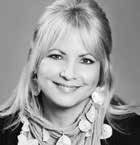 A lifelong resident of Macomb County, Shelley Galasso Bonanno, MA is a practicing limited licensed psychologist (LLP) who earned her master’s degree from Wayne State University in 1987. She has a breadth of experience in working with adults, children, families, and couples. In addition to providing individual psychotherapy in private practice, Ms. Bonanno performs consultative services including comprehensive psychological assessments for State and forensic agencies. Her writings have appeared in various online and print publications. An advocate for mental health, you can follow Ms. Bonanno on Twitter @shelleybonanno